
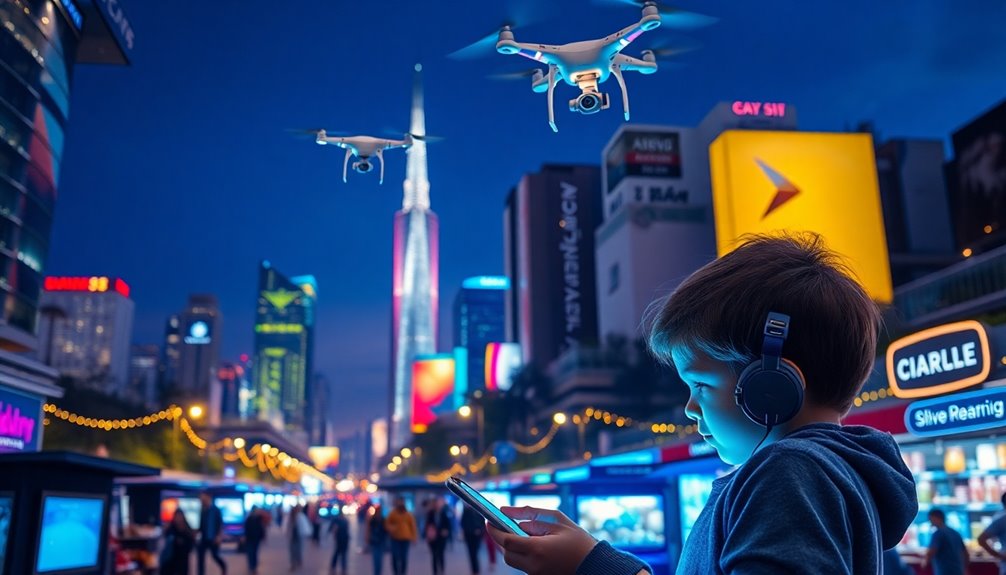
The Internet of Things (IoT) plays an essential role in connecting the modern world by linking devices and systems for improved communication and data exchange. This connectivity improves operational efficiency across various sectors, from smart homes that offer convenience to industrial automation that reduces costs. IoT likewise drives sustainable practices and innovations in healthcare, optimizing resource allocation and patient care. Comprehending these transformative impacts reveals further insights into the future of connectivity and its societal implications.
Understanding the Internet of Things (IoT)
The Internet of Things (IoT) represents a transformative technology paradigm that connects a vast network of devices, enabling them to communicate and share data seamlessly. This interconnected framework improves operational efficiency and encourages innovation across various sectors. With smart connectivity at its core, IoT applications enable organizations to utilize real-time data for informed decision-making, driving competitive advantage.
From industrial automation to smart cities, the IoT ecosystem is an influential catalyst for business growth and sustainability. It allows for the integration of intelligent devices, creating a cohesive system that optimizes resource utilization and improves user experiences. As leaders embrace IoT solutions, they position themselves at the forefront of technological advancement, revealing new revenue streams and operational efficiencies.
The potential of IoT is immense, offering unprecedented opportunities for those who control it strategically, ensuring they remain influential in an increasingly connected world.
The Impact of IoT on Smart Homes
As technology advances, smart homes have emerged as a prime example of IoT's transformative impact on everyday living. The integration of smart appliances allows homeowners to exercise unmatched control over their environments, elevating convenience and efficiency to new heights. Home energy management systems provide insights into energy consumption, enabling users to optimize resources and reduce costs.
| Feature | Benefit |
|---|---|
| Smart Appliance Integration | Seamless control of devices and appliances |
| Energy Consumption Insights | Improved visibility for cost-saving decisions |
| Remote Monitoring | Convenience and peace of mind |
| Automated Scheduling | Time-saving and efficiency |
This convergence of technology not only improves comfort but positions individuals to make influential, informed decisions about their living spaces. Smart homes represent not merely a trend but a paradigm shift, where the capability to manage one's environment becomes a statement of personal empowerment.
Wearable Technology and Personal Health Monitoring
Wearable technology has emerged as a pivotal tool for personal health monitoring, enabling individuals to track various health metrics through devices such as smartwatches and fitness bands. Nevertheless, the collection and storage of sensitive health data raise significant privacy concerns that need to be addressed. Furthermore, these devices serve not just as health monitors but likewise as motivational tools, encouraging users to maintain their fitness goals.
Health Tracking Devices
Health tracking devices have emerged as crucial tools in the domain of personal wellness, allowing individuals to monitor various aspects of their health with unprecedented ease. These advanced gadgets facilitate remote monitoring, empowering users to take control of their health status in real-time. By employing state-of-the-art technology, health tracking devices collect and analyze data, providing insightful health analytics that improve decision-making. Users can track essential metrics such as heart rate, activity levels, and sleep patterns, enabling them to adjust their lifestyles proactively. This capability not only encourages personal accountability but also promotes a deeper comprehension of one's health, cultivating a culture of empowerment. As individuals leverage these tools, they assert mastery over their wellness paths, transforming health management into a strategic advantage.
Data Privacy Concerns
Privacy has become a paramount concern in the age of personal health monitoring through wearable technology. The intersection of data encryption and user consent raises ethical considerations regarding data ownership. Users must navigate complex privacy regulations that govern their digital footprint and secure communication. Surveillance risks loom large, as unauthorized access can lead to identity theft, exacerbated by the collection of anonymized data.
| Concern | Mitigation Strategy |
|---|---|
| Data Encryption | Implement strong encryption protocols |
| User Consent | Guarantee informed consent processes |
| Privacy Regulations | Adhere to GDPR and HIPAA standards |
| Surveillance Risks | Limit data sharing with third parties |
| Identity Theft | Monitor for suspicious activity |
In this environment, individuals wield the authority to protect their health data through vigilant awareness and proactive measures.
Fitness Motivation Tools
The integration of technology into personal fitness has transformed how individuals approach their wellness paths. Fitness apps and wearable integration empower users to utilize data for improved health outcomes. Through progress tracking and personalized routines, individuals gain insights that drive their fitness ambitions. Virtual coaching complements these tools, offering customized guidance that ignites motivation. Gamified workouts boost engagement, turning exercise into a compelling challenge, as community engagement nurtures a sense of belonging and accountability. Motivational reminders, seamlessly woven into daily life, encourage consistency and resilience. Together, these elements create a robust ecosystem where fitness becomes not just a goal but a strong lifestyle, enabling individuals to conquer their challenges and achieve lasting transformation.
Industrial Automation and IoT Solutions
Industrial automation, empowered by IoT solutions, offers significant benefits such as increased efficiency, reduced operational costs, and improved data analytics capabilities. Nevertheless, the implementation of these technologies presents challenges including integration intricacies, cybersecurity risks, and the need for skilled personnel. Comprehending both the advantages and obstacles is crucial for organizations aiming to leverage IoT in their automation processes.
Benefits of IoT Automation
Efficiency stands as a hallmark of IoT automation, transforming traditional industrial processes into streamlined operations. By integrating IoT technologies, organizations can utilize real-time data analytics to optimize production schedules and reduce waste, promoting a culture of continuous improvement. In smart agriculture, IoT solutions empower farmers with precise data on soil health and crop conditions, improving yield as well as minimizing resource consumption. This level of insight not only boosts productivity but also drives significant energy efficiency, reducing operational costs and environmental impact. In addition, IoT automation facilitates predictive maintenance, ensuring equipment operates at peak performance and mitigating costly downtimes. As industries embrace these innovations, the potential for improved profitability and sustainability becomes increasingly tangible, positioning organizations at the forefront of the modern economy.
Challenges in Implementation
Though the benefits of IoT automation are significant, several challenges hinder its effective implementation in industrial settings. One prominent issue is scalability; as organizations grow, their IoT systems must seamlessly expand to accommodate increasing data loads and device connections. This often leads to performance bottlenecks and necessitates substantial investment in infrastructure upgrades. Furthermore, interoperability challenges complicate integration efforts, as diverse devices and platforms may not communicate effectively. This fragmentation can stifle innovation and limit the potential of IoT solutions. To navigate these obstacles, organizations must adopt robust strategies that guarantee both scalability and interoperability, enabling them to utilize the full strength of IoT in driving efficiency and competitive advantage within the industrial environment.
Enhancing Healthcare Through IoT Innovations
As the healthcare sector increasingly embraces technological advancements, the Internet of Things (IoT) emerges as a transformative force, improving patient care and operational efficiency. By utilizing IoT innovations, healthcare providers can facilitate telemedicine advancements, allowing for remote consultations that empower patients and streamline workflows. This shift not merely improves accessibility but also greatly reduces wait times, positioning providers at the forefront of patient-centric care.
Furthermore, IoT promotes patient data interoperability, enabling seamless information exchange between devices and healthcare systems. This integration allows for real-time monitoring of patient essential signs, ensuring timely interventions and informed decision-making. As a result, healthcare organizations can capitalize on actionable insights to optimize treatment plans and resource allocation. In the end, the strategic implementation of IoT in healthcare not only improves operational performance but also raises the quality of care, establishing a new paradigm in the pursuit of health excellence.
IoT and Sustainable Practices in Various Sectors
The integration of IoT technologies extends further than healthcare, impacting various sectors and promoting sustainable practices. By leveraging connectivity and data analytics, industries can maximize resources, reduce waste, and improve overall efficiency, driving a new era of environmental responsibility.
- Smart agriculture: IoT sensors monitor soil health and crop conditions, ensuring maximum resource use.
- Eco-friendly manufacturing: Real-time data improves energy efficiency and minimizes emissions during production.
- Energy management: Smart grids and meters enable precise energy consumption tracking, reducing waste.
- Water conservation: IoT systems facilitate efficient irrigation, conserving precious water resources in agriculture.
- Sustainable logistics: Connected fleets maximize delivery routes, minimizing fuel consumption and carbon footprints.
Through these advancements, IoT empowers industries to operate sustainably while positioning them as leaders in corporate responsibility, ensuring long-term viability in an increasingly eco-conscious market.
Security Challenges in an IoT-Connected World
How secure are the vast networks of interconnected devices that comprise the Internet of Things (IoT)? In an era where data is influence, comprehending the security challenges is vital. The proliferation of IoT devices introduces significant network vulnerabilities, necessitating robust cybersecurity strategies. Implementing stringent device authentication is imperative to thwart unauthorized access and bolster identity management systems. In addition, data encryption serves as a fundamental line of defense, ensuring sensitive information remains protected against prying eyes.
Organizations must prioritize risk assessment to identify potential threats and establish effective threat detection mechanisms. Adhering to privacy regulations is not just a legal obligation but a means to build trust with users. Developing thorough security protocols and a responsive incident response plan can mitigate the impact of breaches. In this interconnected environment, vigilance and proactive measures will enable entities to utilize the full potential of IoT as they safeguard their resources and reputation.
The Future of IoT and Its Role in Society
What possibilities lie ahead for the Internet of Things (IoT) as it continues to evolve and integrate into everyday life? The future of IoT promises to redefine societal structures, improving efficiency and connectivity. As smart cities emerge, the integration of IoT technology will enable citizens and governments alike, promoting a setting of unprecedented control and innovation.
- Seamless transportation systems that adapt to real-time data
- Improved public safety through connected surveillance and emergency services
- Optimized energy usage with smart grids and IoT-enabled appliances
- Advanced healthcare solutions facilitating remote monitoring and telemedicine
- Robust data analytics driving informed decision-making
In this paradigm of future connectivity, organizations and individuals wield the capability to transform their environments. As IoT matures, it stands poised to change how society operates, ensuring a more interconnected and efficient world.
Frequently Asked Questions
How Can Iot Improve Transportation Systems and Traffic Management?
The integration of IoT within transportation systems greatly improves traffic management. By leveraging traffic analytics, authorities can gather real-time data on vehicle flow, identifying congestion patterns. This information facilitates smart routing, allowing for optimized navigation and reduced travel times. Such advancements empower city planners to implement proactive solutions, ensuring smoother transportation networks. In the end, these innovations not just boost operational efficiency but also improve the overall commuting experience for citizens, asserting control over urban mobility.
What Are the Environmental Impacts of Increased Iot Device Usage?
The proliferation of IoT devices is projected to generate approximately 50 million tons of e-waste annually by 2030. This staggering statistic highlights the urgent need for effective e-waste management strategies. Additionally, the increasing number of connected devices greatly escalates energy consumption, straining existing infrastructures. As the demand for energy grows, it becomes imperative for stakeholders to adopt sustainable practices, ensuring that technological advancements do not come at the expense of environmental integrity.
How Does Iot Influence Smart City Development and Planning?
The influence of IoT on smart city development and planning is significant, particularly in improving urban infrastructure. By facilitating data integration, IoT enables city planners to utilize real-time information for efficient resource management and sustainable growth. This technological advancement empowers decision-makers to optimize traffic flow, improve public services, and boost environmental monitoring. In the end, the strategic use of IoT positions cities to be more responsive, resilient, and prepared for future challenges in urban living.
What Skills Are Needed for Careers in Iot Technology?
In a universe where knights wielded swords made of data, the domain of IoT technology demands a unique set of skills. Proficiency in data analysis enables individuals to interpret vast information streams, as well as mastery of programming languages allows the creation of innovative solutions. Moreover, a strong comprehension of network architecture and cybersecurity is vital for safeguarding these interconnected systems. Such skills are significant for those aspiring to ascend the ranks within the influential sphere of IoT.
How Can Consumers Protect Their Privacy With Iot Devices?
Consumers can safeguard their privacy with IoT devices by implementing vital strategies. They should prioritize data encryption to guarantee that personal information remains secure from unauthorized access. Moreover, obtaining user consent before sharing any data is critical, empowering consumers to control their information flow. By actively managing privacy settings and remaining informed about device capabilities, consumers can effectively navigate the intricacies of IoT technology during the maintenance of their personal security and autonomy.