
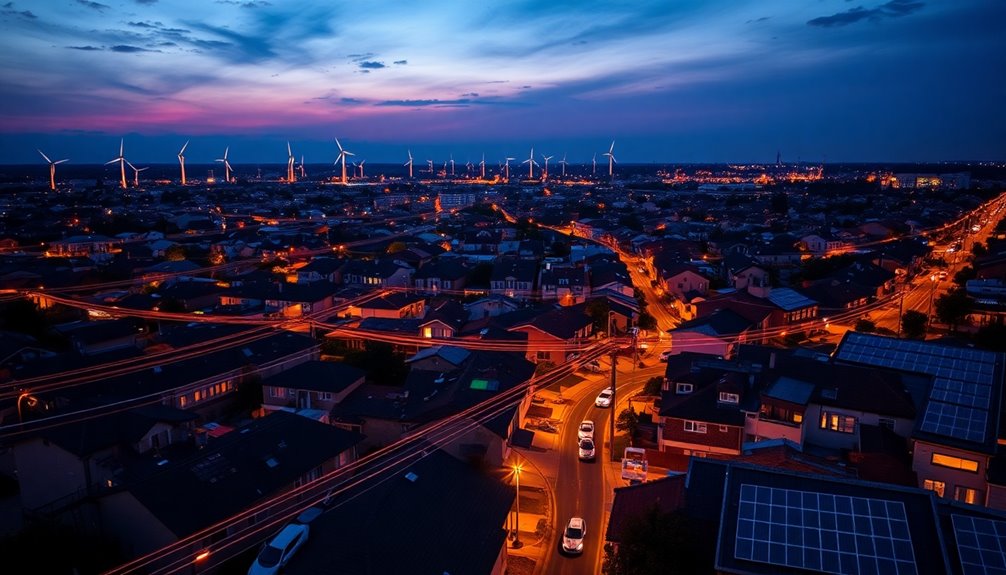
Smart grid technology is transforming energy distribution by integrating advanced digital communication systems. This enables real-time monitoring and management of energy flow, increasing efficiency and reliability. It reduces outages, optimizes resource use, and facilitates the incorporation of renewable energy sources. Consumers gain more control over their energy consumption through smart meters. Challenges remain, including regulatory hurdles and cybersecurity concerns. There is much more to explore about the future impacts and benefits of smart grids on energy distribution.
Understanding Smart Grid Technology
Although the concept of smart grid technology may seem complex, it fundamentally represents an evolution in the way electricity is generated, distributed, and consumed. At its core, smart grid infrastructure integrates advanced digital communication systems, improving the efficiency and reliability of energy networks. This innovative approach enables utilities to monitor and manage electricity flow in real time, reducing outages and optimizing resource use.
Through the deployment of smart meters and sensors, users gain unprecedented visibility into their energy consumption, allowing for informed decision-making that aligns with their energy needs. Additionally, the improved connectivity facilitates the integration of renewable energy sources, positioning consumers and providers to leverage sustainable options effectively. As energy demands grow, smart grid technology emerges as a critical solution, promoting resilience and adaptability in a swiftly changing energy environment. It enables stakeholders, driving a paradigm shift in the direction of a more efficient and responsive energy ecosystem.
Key Components of Smart Grids
Smart grids comprise several key components that work together to improve energy distribution and management. Central to this system are smart sensors, which provide real-time data on energy consumption and grid performance. These devices enable utilities to monitor loads and detect outages quickly, boosting operational efficiency. Another vital element is grid communication technology, which facilitates seamless data exchange between various components of the grid. This communication infrastructure guarantees that information flows efficiently between generation sources, distribution networks, and consumers, allowing for better demand response and energy allocation. Furthermore, advanced control systems integrate these elements, enabling automated adjustments to optimize performance and reliability. Collectively, these components empower energy providers to improve their service delivery, reduce operational costs, and support a more resilient energy infrastructure, ultimately paving the way for a smarter, more sustainable energy future.
Benefits of Smart Grid Implementation
The implementation of smart grids offers significant advantages that improve energy efficiency and boost overall reliability. These advanced systems provide real-time monitoring capabilities, enabling quicker responses to disruptions and increased resilience against outages. As a result, the shift to smart grid technology represents an essential step in the direction of a more sustainable energy future.
Enhanced Energy Efficiency
As energy demands continue to rise, implementing smart grid technology presents a crucial opportunity for enhancing energy efficiency. This advanced framework enables the deployment of energy conservation strategies that maximize resource usage. Smart appliance integration plays a pivotal role, allowing consumers to control energy consumption dynamically and efficiently.
| Benefit | Description |
|---|---|
| Real-Time Monitoring | Track energy usage for immediate adjustments. |
| Load Balancing | Distribute energy loads for maximum efficiency. |
| Demand Response Programs | Shift energy usage to off-peak times. |
| Renewable Energy Utilization | Incorporate solar and wind seamlessly. |
| Consumer Engagement | Empower users through data-driven insights. |
Incorporating these elements, smart grids transform energy distribution, driving both efficiency and sustainability.
Improved Reliability and Resilience
Although traditional energy grids often struggle with outages and inefficiencies, the implementation of advanced grid technologies greatly improves reliability and resilience. Smart grid modernization introduces sophisticated outage management systems that considerably reduce response times during disruptions. By integrating real-time data analytics and automated controls, these systems detect and isolate faults more effectively, minimizing the impact on consumers. Moreover, improved communication between energy providers and users promotes proactive maintenance strategies, addressing potential issues before they escalate into outages. The resilience of the grid is bolstered through decentralized energy resources, which can quickly adapt to changing demand patterns. In the end, this transformation empowers energy stakeholders, ensuring a more stable and dependable energy supply that meets the growing needs of modern society.
Real-time Monitoring Capabilities
Advanced grid technologies not only improve reliability and resilience but also enable real-time monitoring capabilities that greatly benefit energy distribution. These capabilities empower utilities to utilize real-time analytics, providing immediate insights into energy flow and consumption patterns. By leveraging such data, energy providers can identify inefficiencies and implement energy optimization strategies swiftly. This proactive approach minimizes waste and improves overall system performance, driving down costs and enhancing service reliability. Additionally, real-time monitoring facilitates rapid responses to outages and irregularities, ensuring a steadfast energy supply. In a setting where energy demands are ever-increasing, these smart grid advantages position stakeholders to seize control, optimize their operations, and deliver superior energy solutions to consumers, ultimately transforming the energy distribution paradigm.
Enhancing Energy Efficiency
Enhancing energy efficiency is critical in modern energy distribution systems. Real-time energy monitoring allows consumers to track their usage patterns, whereas demand response programs encourage reductions during peak times. Together, these strategies contribute to a more sustainable and efficient energy environment.
Real-Time Energy Monitoring
As energy demands continue to rise, real-time energy monitoring emerges as a crucial tool for improving efficiency across various sectors. This innovative approach leverages advanced monitoring technologies to provide instantaneous insights into energy consumption patterns. By utilizing data visualization techniques, organizations can swiftly identify inefficiencies and implement targeted strategies to optimize usage. Improved consumer engagement is achieved as users gain access to real-time data, enabling them to make informed decisions about their energy habits. This proactive management not merely reduces waste but additionally cultivates a culture of sustainability. In the end, real-time energy monitoring acts as a significant catalyst for transforming energy distribution, ensuring that resources are utilized effectively and responsibly in an increasingly energy-conscious world.
Demand Response Programs
As energy consumption patterns fluctuate throughout the day, demand response programs play a pivotal role in managing these variations effectively. These programs empower consumers to adjust their energy usage in response to real-time pricing signals, utilizing dynamic pricing strategies. By engaging consumers actively, utilities can optimize energy distribution, ensuring that supply meets demand without overloading the grid. Improved consumer engagement cultivates a sense of control, allowing users to take advantage of lower prices during off-peak hours. This not just maximizes energy efficiency but also promotes sustainability in energy consumption practices. In the end, demand response programs leverage smart grid technology to create a more resilient and responsive energy environment, positioning both utilities and consumers advantageously in the evolving energy market.
Real-Time Monitoring and Management
Real-time monitoring and management are vital components of smart grid technology, enabling utilities to respond swiftly to changes in energy demand and supply. This advanced capability empowers energy providers to assess energy consumption patterns dynamically, ensuring that resources are allocated efficiently across the grid. By utilizing sophisticated data analytics, utilities can identify peak demand periods and mitigate outages before they escalate.
Furthermore, grid interconnectivity plays a key role in improving the effectiveness of real-time management. As disparate energy sources and consumers are interconnected, utilities gain extensive visibility into the entire grid's performance. This interconnectedness facilitates informed decision-making and strategic adjustments to maintain balance between demand and supply. In the end, real-time monitoring and management not only optimize resource utilization but also improve the overall resilience of the energy distribution network, positioning utilities to leverage their full potential in an increasingly complex energy environment.
Integrating Renewable Energy Sources
As the change to renewable energy sources presents challenges, effective integration into the smart grid is essential for creating a sustainable energy future. Solar integration and wind energy are at the forefront of this shift, requiring sophisticated technology and strategic infrastructure to utilize their full potential. Smart grid advancements enable the seamless incorporation of these renewable sources, allowing for real-time data sharing and improved grid responsiveness.
Addressing Energy Demand Fluctuations
Addressing energy demand fluctuations requires innovative approaches, particularly through real-time data analytics and demand response programs. These technologies enable utilities to monitor consumption patterns and adjust supply accordingly, enhancing grid reliability. By effectively managing peak loads, the integration of these strategies can greatly optimize energy distribution.
Real-Time Data Analytics
Effective energy management increasingly relies on advanced data analytics to navigate fluctuations in demand. Real-time data analytics empowers utilities to make data-driven decisions that improve operational efficiency. By utilizing predictive analytics, energy providers can anticipate demand surges and optimize resource allocation. Key benefits include:
- Improved Responsiveness: Ability to react swiftly to demand changes, minimizing outages.
- Enhanced Forecasting: Accurate predictions of energy consumption patterns, reducing waste and costs.
- Strategic Planning: Informed decisions regarding infrastructure investments and maintenance schedules.
Through the integration of real-time data analytics, utilities can leverage the strength of information to streamline energy distribution, ensuring reliability and sustainability in a constantly changing energy environment. This proactive approach positions them to meet future challenges effectively.
Demand Response Programs
Though energy demand often fluctuates due to various factors such as seasonal changes and economic activity, demand response programs provide a strategic solution for utilities. These programs enable utilities to manage energy consumption effectively by incentivizing consumers to adjust their usage during peak times. By leveraging advanced smart grid technologies, utilities can improve consumer engagement, allowing customers to participate actively in energy management. This collaboration not just mitigates the risks associated with demand spikes but likewise empowers consumers to take control of their energy costs. As a result, demand response initiatives promote a more resilient energy infrastructure, ensuring that supply aligns with fluctuating demand as well as maximizing efficiency and sustainability in energy distribution.
Improving Grid Resilience and Reliability
As the demand for reliable energy continues to rise, improving grid resilience and reliability has become a vital focus for energy providers. With the advent of smart grid technology, energy utilities are implementing robust grid modernization strategies and climate resilience initiatives to guarantee uninterrupted energy delivery.
Key approaches include:
- Real-time monitoring: Utilizing advanced sensors and analytics to detect and respond to issues before they escalate.
- Distributed energy resources: Integrating renewable energy sources to diversify supply and reduce dependence on centralized plants.
- Automated response systems: Employing automated controls that enable rapid recovery from outages, minimizing downtime.
These strategic improvements not solely fortify the grid against extreme weather and other disruptions but additionally empower energy providers to meet the evolving demands of consumers. In the end, a resilient grid is essential for promoting economic growth and safeguarding energy security in an increasingly unpredictable world.
Empowering Consumers With Smart Meters
Smart meters are revolutionizing the way consumers interact with their energy usage, providing real-time insights that empower individuals to make informed decisions about their consumption. By enhancing consumer engagement, these devices enable users to track their energy patterns and identify opportunities for savings. This heightened awareness promotes energy literacy, equipping consumers with the knowledge necessary to optimize their usage and reduce costs.
As individuals gain access to data reflecting their energy consumption, they can adjust their habits to align with peak and off-peak pricing, maximizing efficiency. Additionally, smart meters facilitate a more transparent relationship between consumers and energy providers, allowing for greater accountability and trust. In this evolving environment, empowered consumers are not just passive participants; they become active players in the energy market, leveraging their newfound insights to challenge inefficiencies and advocate for better services. In the end, smart meters are reshaping the energy consumer experience for the better.
Challenges in Smart Grid Adoption
The rise of smart meters has certainly transformed consumer engagement in the energy sector, yet the broader implementation of smart grid technology faces significant hurdles. These challenges threaten to stifle progress without addressed through strategic action and collaboration among stakeholders.
- Regulatory Hurdles: Existing policy frameworks often lag behind technological advancements, creating barriers to effective implementation.
- Technology Costs: High upfront costs for infrastructure upgrades can deter investment, limiting the adoption of crucial smart grid components.
- Cybersecurity Concerns: As networks become increasingly interconnected, vulnerabilities to cyberattacks pose a serious threat, necessitating robust security measures.
Furthermore, interoperability issues and a lack of public awareness hinder seamless integration of technologies. Successful adoption relies heavily on stakeholder collaboration to navigate these intricacies and create a resilient energy distribution environment. Addressing these challenges is vital for revealing the full potential of smart grids.
The Future of Energy Distribution With Smart Grids
As challenges persist, the future of energy distribution is poised for transformation through the integration of smart grids. This innovative framework promises to transform how energy is generated and consumed. By facilitating decentralized generation, smart grids enable users to produce their own energy, reducing reliance on traditional energy sources. This shift not only improves energy security but additionally provides consumers with greater control over their energy usage.
Moreover, the proliferation of smart appliances will further optimize energy distribution. These devices can communicate seamlessly with the grid, adjusting consumption patterns based on real-time data. This dynamic interaction enables a more efficient and responsive energy ecosystem, minimizing waste as well as maximizing reliability.
In this evolving environment, energy distribution will become increasingly decentralized and intelligent, positioning consumers as active participants in the energy market. In the end, smart grids will redefine the relationship between supply, demand, and the individual, heralding a new era of energy empowerment.
Frequently Asked Questions
How Does Smart Grid Technology Impact Energy Prices for Consumers?
Some may argue that advanced technology inevitably leads to higher costs for consumers. Nevertheless, smart grid technology introduces dynamic pricing, allowing consumers to adjust their energy usage according to real-time rates. This flexibility can lead to significant cost savings, particularly during off-peak hours. By optimizing energy consumption, consumers gain greater control over their expenses, empowering them to make informed decisions that improve their financial well-being as they benefit from a more efficient energy distribution system.
What Role Do Government Regulations Play in Smart Grid Development?
Government regulations greatly influence the development of smart grid technology through the establishment of regulatory frameworks and policy incentives. These frameworks create a structured environment that encourages innovation and investment in advanced energy solutions. By offering incentives, governments can motivate stakeholders to adopt smart grid systems, ultimately leading to improved efficiency and reliability in energy distribution. Such regulatory measures are vital for promoting a sustainable energy future and ensuring that technological advancements align with public interests.
How Secure Is Data Transmitted Through Smart Grids?
In the domain of digital energy, data flows like a river, but the banks must be fortified. The security of data transmitted through smart grids hinges on robust data encryption, acting as a shield against potential threats. Nonetheless, lurking beneath the surface are network vulnerabilities that could be exploited. Without vigilant oversight, the currents of information may become perilous, jeopardizing both the stability of the grid and the authority it delivers to consumers.
Can Smart Grids Support Electric Vehicle Charging Infrastructure?
The integration of electric vehicles (EVs) within smart grid systems presents significant opportunities for improving charging infrastructure. Smart grids enable dynamic charging station optimization, allowing for efficient energy distribution in real-time. This capability not merely supports the growing demand for EVs but additionally improves grid reliability. Through coordinated management, smart grids can adjust charging loads based on energy availability, ensuring that infrastructure meets the needs of a developing electric vehicle market effectively.
What Skills Are Needed for Careers in Smart Grid Technology?
In the evolving domain of energy transformation, the pursuit of knowledge in smart grid technology beckons those who desire influence. Proficiency in programming languages, such as Python and C++, serves as a foundation for innovation. Furthermore, familiarity with renewable energy systems is crucial, as it intertwines with the future of energy distribution. Aspiring professionals must likewise cultivate analytical skills and a comprehension of data management to navigate this dynamic environment effectively.