
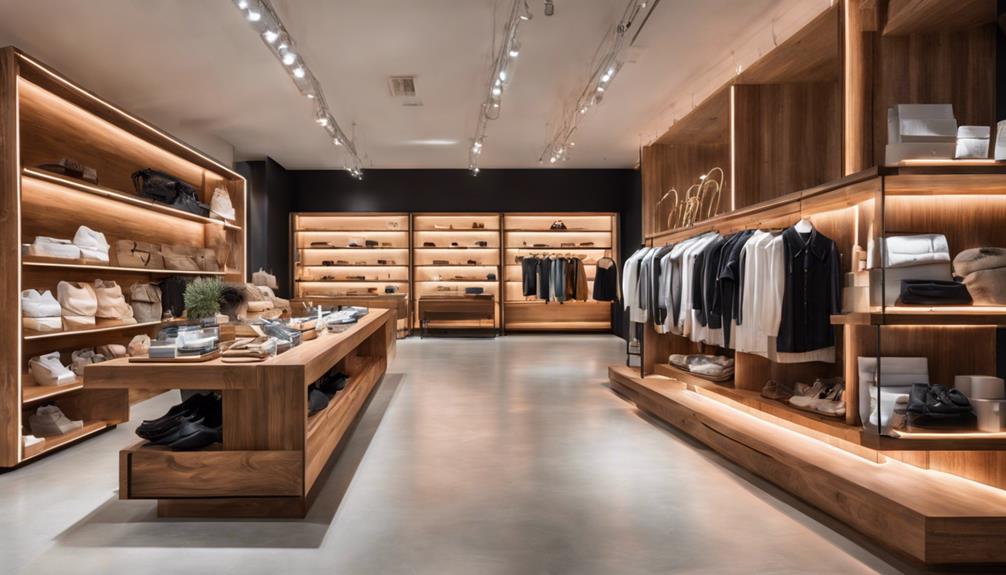
You're likely aware that the first impression your brand makes is often visual, and it's this aesthetic appeal that can make or break a customer's decision to engage with your product or service. A well-crafted aesthetic triggers emotional connections, builds trust, and drives brand loyalty. It's the key to differentiating yourself in a crowded market and creating a recognizable brand identity. By mastering the art of visual storytelling, you can tap into your customers' emotional psyche, driving impulsive purchases and fostering deep connections. Now, take a closer look at how you can harness the power of aesthetics to elevate your brand.
Visual Storytelling in Marketing
By leveraging visual elements, you can craft a narrative that resonates with your target audience, transcending mere product showcases and instead evoking emotions, sparking connections, and driving brand loyalty. This is the essence of visual storytelling in marketing, where every image, every frame, and every composition is carefully curated to convey a message that resonates deep within your audience's psyche.
Authentic imagery is key to this approach. You want your visuals to feel real, to be relatable, and to reflect the human experience. This means ditching the overly posed models and instead opting for candid, natural moments that capture the essence of your brand. Think laughter, think tears, think imperfections – these are the things that make your audience feel seen and heard.
Dynamic composition is also essential. You want your visuals to be visually striking, to grab attention, and to guide the viewer's eye through the narrative. This means playing with negative space, experimenting with colors, and using lighting to create mood and atmosphere. By combining authentic imagery with dynamic composition, you'll create a visual language that speaks directly to your audience's heart, fostering a deep connection that will keep them coming back for more.
Emotions and Consumer Purchasing Decisions
You make purchasing decisions largely driven by emotions, with research suggesting that up to 90% of your buying choices are influenced by feelings rather than rational thinking. This emotional connection can be triggered by various factors, including the aesthetic appeal of a product or brand. When you're in a good mood, you're more likely to make impulse purchases, and a visually appealing design can be the deciding factor. This is because your emotions play a significant role in shaping your perception of a brand's value.
Mood influencing is a powerful marketing tool, and businesses that understand this concept can create an emotional connection with you, their potential customer. By crafting an atmosphere that resonates with your emotions, they can nudge you towards making a purchase. For instance, a calming color scheme can evoke feelings of relaxation, making you more likely to buy a wellness product. On the other hand, a bold and vibrant design can energize you, leading to an impulsive purchase.
As a consumer, you may not even realize how your emotions are driving your purchasing decisions. But marketers are well aware of this phenomenon, and they use it to their advantage. By tapping into your emotional psyche, they can create an emotional bond between you and their brand, ultimately influencing your buying choices. So, the next time you make an impulsive purchase, remember that your emotions might be the real driving force behind your decision. This manipulation of emotions can lead to meaningful connections with consumers, making them feel understood and valued. In this context, the importance of emotional intelligence cannot be overstated, as it allows marketers to effectively gauge and respond to the feelings of their target audience. As a consumer, becoming aware of these tactics can empower you to make more deliberate choices, separating genuine needs from emotional impulses.
Building Trust Through Design
Consistently, well-designed visuals can establish a sense of credibility, making it more likely that you'll trust a brand and consider its products or services. When you land on a website or social media page that looks polished and professional, you're more likely to stick around and explore what they have to offer. On the other hand, a cluttered or outdated design can instantly turn you off and make you question the brand's legitimacy.
The key to building trust through design lies in the thoughtful selection of design elements. A minimalist approach can be particularly effective, as it allows the brand's message to shine through without distractions. By using a limited color palette, clean typography, and plenty of white space, you can create a sense of sophistication and elegance. This, in turn, can convey a sense of expertise and authority, making you more likely to trust the brand and its offerings.
When design elements are carefully considered, they can work together to create a cohesive and trustworthy brand image. This is especially important in today's digital landscape, where consumers are bombarded with ads and marketing messages from all directions. By taking the time to craft a well-designed visual identity, you can stand out from the noise and establish a strong connection with your target audience.
Differentiation in a Crowded Market
In a crowded market where every brand is vying for attention, a unique visual identity can be the difference between getting lost in the noise and standing out as a leader. You've got to stand out from the pack, and aesthetics play an essential role in doing just that. When you're surrounded by similar products or services, it's your brand's unique personality that sets you apart.
Think about it – in a market saturated with options, consumers are spoiled for choice. They can pick and choose who they want to engage with, and who they want to ignore. So, how do you make sure you're one of the chosen ones? By creating a visual identity that resonates with your target audience, that's how.
Your brand's aesthetic is more than just a pretty face – it's a representation of your values, mission, and personality. It's what makes you relatable, authentic, and memorable. When you nail your aesthetic, you're not just selling a product; you're selling an experience, an emotional connection, and a sense of belonging. In a crowded market, that's the key to differentiation. So, don't be afraid to get creative, take risks, and push boundaries. Your unique visual identity is waiting to be utilized – and it's the secret to making your brand unforgettable.
Aesthetics and Brand Recognition
When a brand's aesthetic is cohesive and recognizable, it becomes synonymous with quality, building trust and familiarity with every interaction. You start to associate the brand with a certain level of excellence, and that's exactly what you want your customers to feel. A strong aesthetic helps to establish your brand personality, and it's what sets you apart from the competition.
A recognizable aesthetic also helps to create a sense of continuity across all your marketing channels. Whether it's your website, social media, or advertisements, your visual identity should be consistent. This consistency is key to building trust and recognition with your audience. Here are a few ways a cohesive aesthetic can benefit your brand:
- Increased brand recognition: When your aesthetic is consistent, it's easier for customers to recognize your brand, even when they're scrolling through their social media feeds or browsing online.
- Emotional connection: A strong aesthetic can evoke emotions and create a connection with your audience. This connection can lead to brand loyalty and advocacy.
- Differentiation: A unique aesthetic helps you stand out in a crowded market, making it easier to differentiate yourself from the competition.
Frequently Asked Questions
Can Aesthetics Be Used in B2B Marketing, Not Just B2c?
You're wondering if aesthetics are only for B2C marketing, but the truth is, they can be a game-changer in B2B too. You can use B2B storytelling to connect with your business clients on a deeper level. Think industrial minimalism – clean lines, simple messaging, and a focus on functionality. This aesthetic approach helps you stand out in a crowded market and builds trust with your clients. By incorporating aesthetics into your B2B strategy, you'll be surprised at how it can humanize your brand and drive results.
How Do Cultural Differences Impact Aesthetic Preferences in Marketing?
You've probably heard that beauty is in the eye of the beholder, but did you know that cultural background plays a significant role in shaping aesthetic preferences? It's true! Color symbolism, for instance, varies greatly across cultures. In Japan, white symbolizes mourning, while in Western cultures, it represents purity. Additionally, visual hierarchy can be perceived differently depending on cultural context. You need to take these nuances into account when marketing globally to avoid misunderstandings and connect with your target audience on a deeper level.
What Role Does Accessibility Play in Aesthetic Design Decisions?
You're designing for the masses, but are you considering everyone? Accessibility plays a crucial role in aesthetic design decisions. You must think inclusive design, ensuring your visuals are usable by all. Color psychology is key – certain hues can be lost on those with color blindness. Don't alienate potential customers; instead, create an experience that welcomes everyone. By prioritizing accessibility, you're not only doing the right thing, you're also expanding your reach.
Can Ai-Generated Art Be Used Effectively in Marketing Aesthetics?
You're likely aware that 70% of consumers feel more connected to a brand when its aesthetic is unique. Now, let's explore AI-generated art in marketing. While it can be tempting to utilize AI-generated art for its speed and cost-effectiveness, you may sacrifice artistic authenticity. By relying on algorithms, you'll have less creative control, potentially resulting in generic, unremarkable visuals. To truly connect with your audience, it's worth investing in human designers who can infuse your brand with personality and heart.
How Often Should a Brand Update Its Aesthetic to Stay Relevant?
You're wondering how often to refresh your brand's look to stay current? Well, it's essential to strike a balance between consistency and evolution. Your visual identity should remain recognizable, but also adapt to changing trends and consumer preferences. Aim for a design evolution that's gradual, yet intentional. Update your aesthetic every 2-3 years to avoid stagnation, but don't change too much, or you'll confuse your loyal followers.